Backgrounders
View all policy studies.-

Does North Dakota House Bill 1040 meet the objectives for good pension reform?
The bill would help ensure North Dakota has the ability to pay 100% of the benefits earned and accrued by active workers and retirees.
-
Examining the pension reform benefits of North Dakota House Bill 1040
HB 1040 would shift NDPERS to an actuarially sound method of funding, ensuring the state can deliver on its promises to members and retirees.
-
Protecting customer privacy in mileage-based user fee collection
Policymakers and the public have expressed concerns about road user privacy in mileage fee systems, especially those that involve a location-based component.
-
How express toll lanes benefit drivers
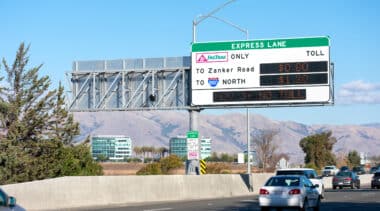
Today, 60 express toll lane projects across the country are providing commuters with faster and more reliable alternative to congested highway lanes.
-
HOV lanes have failed to reduce traffic congestion or emissions
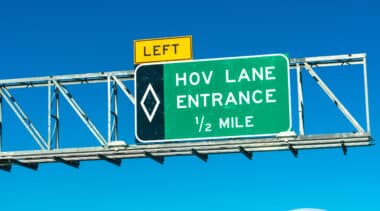
Carpooling plummeted from 19.7% of commuters in 1980 to only 8.9% in 2019.
-
Steps to protect public finance from ESG activism
Public pension systems are particularly exposed to the risks associated with ESG and politically-driven investing strategies.
-
Abolishing Oklahoma’s death penalty would be good for justice and for taxpayers
Since 1981, 10 people in Oklahoma have been exonerated while on death row awaiting execution.
-
Abolishing Ohio’s death penalty would be good for justice and for taxpayers
Since 1979, 11 people in Ohio have been exonerated while on death row awaiting execution.
-
Testing mileage-based user fees as a replacement for Georgia’s gas tax
Georgia’s highways need a new, sustainable funding source.
-
How to improve transit service for today’s workers and commuters
U.S. metro areas need a new transit approach that is tailored to serving the needs of today’s workers.
-
Examining the Teachers Retirement System of Texas after the pension reforms of 2019
Senate Bill 12 of 2019 made reforms, but TRS contributions will likely be insufficient because the pension plan is using outdated economic assumptions.
-
What is a revenue-risk public-private partnership?
And when is revenue risk the better financing choice for the state and taxpayers?
-
Why paying down New Hampshire pension debt faster would be a win for taxpayers
A “catch-up” payment toward the New Hampshire Retirement System's unfunded liabilities would reduce pension debt and yield long-term cost savings.
-
Evaluating the potential impacts of Louisiana Senate Bill 438
The proposed hybrid plan is more expensive than the current pension under all scenarios.
-
Paying down PSPRS debt faster is a win for taxpayers
Unfunded PSPRS and ASRS liabilities make those pension systems more costly, pressuring government budgets. Paying down pension debt as fast as possible avoids interest costs and saves taxpayers money.
-
House Bill 2486 threatens Oklahoma’s pension progress
Public pension changes of the magnitude being proposed should receive rigorous actuarial and risk analyses that ensure future generations’ interests are protected.
-
Actuary highlights House Bill 55’s costs and risks to the Alaska Public Employees’ Retirement System
Changes of the magnitude being proposed in Alaska House BIll 55 should receive rigorous actuarial and risk analyses that have not yet been conducted.
-
Understanding the recent nationwide increase in crime
Violent crime has decreased dramatically since its peak in the 1990s. In 2020, the violent crime rate remained near the record lows achieved throughout the 2000s.